Entry · Ref M-QIZD0D
How a Personal Alarm for Elderly Loved Ones Brings Peace of Mind
- Posted
- 2026-10-10
- Last amended
- 2026-10-10
- Account
- @thepersonalalarmelderlysource
When my grandmother first started living alone after my grandfather passed, the worry that sat in my chest was constant. Not because she was frail or forgetful, but because she lived in a two-storey house with a steep staircase, and I worked an hour away. The thought of her taking a tumble and lying there, unable to reach the phone, was the kind of fear that hollows out your sleep. That is when I started looking into a personal alarm for elderly use, not as a gadget but as a bridge between her independence and my sanity.
What I learned through that search changed how I think about aging at home. A personal alarm for elderly loved ones is not just a button on a lanyard. It is a system that can detect a fall automatically, call for help even if the person cannot speak, and give family members a direct line to check in. The technology has moved far beyond the old pendant that only works within earshot of a base unit.
What Makes a Personal Alarm for Elderly Users Different Today
The first thing to understand is that these devices are not one-size-fits-all. Some run on cellular networks, some use Wi-Fi, and others rely on a landline. The choice depends on where the person lives and how reliable their home internet is. My aunt lives in a rural area with patchy mobile coverage, so a unit that uses a landline and a long-range pendant was the better fit for her situation. For someone in a city apartment with good cellular signal, a mobile-based unit that works outside the home might be ideal.
Fall detection is the feature that most families ask about first, and for good reason. According to the World Health Organization, falls are the second leading cause of accidental injury death worldwide among older adults. A device with automatic fall detection can sense the motion and impact of a fall and call for help even if the wearer is unconscious or unable to press the button. That is a genuine lifesaver. But it is worth noting that not all fall detection is equal. Some systems use accelerometers that can mistake a sudden sit-down for a fall, leading to false alarms. Others use more advanced algorithms that learn the user's movement patterns over time. When you are choosing a system, it pays to ask how the detection works and whether it can be adjusted for someone who moves slowly or uses a walker.
Two-Way Communication: More Than a Gimmick
One feature I did not fully appreciate until I saw it in action is two-way calling. With older pendants, the user pressed a button and a monitoring centre would send help, but there was no way for the operator to talk directly to the person through the pendant. Modern systems include a speaker and microphone in the pendant itself, so the operator can ask, "Are you okay?" or "Can you describe what happened?" That simple conversation can prevent an unnecessary ambulance call if the person just needs help getting up, and it can give the operator crucial details if the person is injured but conscious.

The family monitoring aspect is also a quiet game-changer. Some services allow designated family members to receive alerts and listen in on the two-way call. That way, if the operator determines it is a minor issue, the family can decide whether to go over themselves or let emergency services handle it. It gives you a layer of control that a standard emergency response does not offer. I remember one evening when my neighbour's mother activated her alarm because she felt dizzy. The operator talked to her, determined she just needed to sit and drink some water, and then called the daughter, who was able to drive over within ten minutes. No ambulance, no fuss, just the right response.
GPS and Mobility Outside the Home
Another development is GPS tracking built into the pendant. This is especially useful for someone who is still active and walks in the neighbourhood or takes public transport. If they wander off course or get lost, the family can see their location on a map. For people with early-stage dementia, this feature can be the difference between a quick reunion and a lengthy search. But it does raise privacy questions. Some older adults feel uneasy about being tracked. It helps to frame it not as surveillance but as a safety net that only activates when needed. You can also set geofences that send an alert if the person leaves a designated area, so you are not watching their every move, only the moments that matter.
Battery Life and Practical Considerations
Battery life is one of those details that sounds boring until the device dies and you do not notice. Most pendants run for a few days to a week on a charge, depending on usage. Some are rechargeable and sit in a charging cradle overnight. Others use replaceable batteries that last months. The rechargeable ones are less fuss if the person can remember to put them on the charger, but for someone with memory issues, a long-life battery that you swap out once a season might be more reliable. Water resistance is also important. Many pendants are water-resistant enough to wear in the shower, which is where a lot of falls happen, but not all are fully waterproof for swimming. Check the IP rating before you buy.
Cost and Subscription Models
Pricing varies widely. Some systems charge a monthly subscription that covers the monitoring service and cellular data. Others sell the hardware upfront and charge a lower monthly fee. There is also the option of a prepaid plan for those who want to avoid a contract. The total cost over a year can range from a few hundred dollars to over a thousand, depending on features and the level of monitoring. Medicare or other health insurance may cover part of the cost if the device is prescribed by a doctor, but most people end up paying out of pocket. It is worth asking whether the company offers a trial period or a satisfaction guarantee. A personal alarm for elderly use is a big decision, and you want to be sure it works in the actual home environment before committing long-term.

Installation and Ease of Use
Installation should be simple. Most systems are plug-and-play: you plug the base unit into a power outlet and a phone line or cellular modem, pair the pendant, and you are done. Some require you to download an app and set up contacts, but that usually takes just a few minutes. The pendant itself should have a large, easy-to-press button, ideally with a tactile bump so the user can find it by feel. For someone with arthritis or reduced hand strength, a button that is too stiff can be a barrier to using the device when it matters most. Test the button yourself before you commit. If you struggle to press it, imagine how hard it would be for someone with weaker hands.
When a Personal Alarm for Elderly Use Is Not Enough
No device replaces human connection. A personal alarm for elderly loved ones is a tool, not a substitute for regular visits or phone calls. I have seen families buy the most expensive system and then relax, assuming the technology handles everything. But the alarm only works if it is worn, and it only helps if someone responds. Check in with the user regularly. Ask if they are wearing it. Test the system together once a month. Make sure the emergency contacts are up to date. And if the person is prone to forgetting to charge the pendant, set a recurring reminder on your phone or theirs.
There is also the question of whether the user will accept wearing it. Some older adults resist because they see it as a sign of dependence. Framing it as a tool that lets them stay at home longer, rather than a symbol of decline, can help. Let them choose the colour or style if there are options. Involve them in the decision. When my grandmother got hers, she picked a bright red pendant because she said it matched her favourite cardigan. That small choice made it hers, not just a device I imposed on her.
Connect with us on YouTube.
Making the Right Choice
Start by assessing the person's daily routine. Do they spend most of their time indoors, or do they go out regularly? Do they have a history of falls or balance issues? Do they live alone or with a partner? The answers will guide you toward the right feature set. Then, read reviews from actual users, not just marketing copy. Look for complaints about false alarms, poor battery life, or difficult customer service. A device that works great in theory but frustrates the user in practice will end up in a drawer.
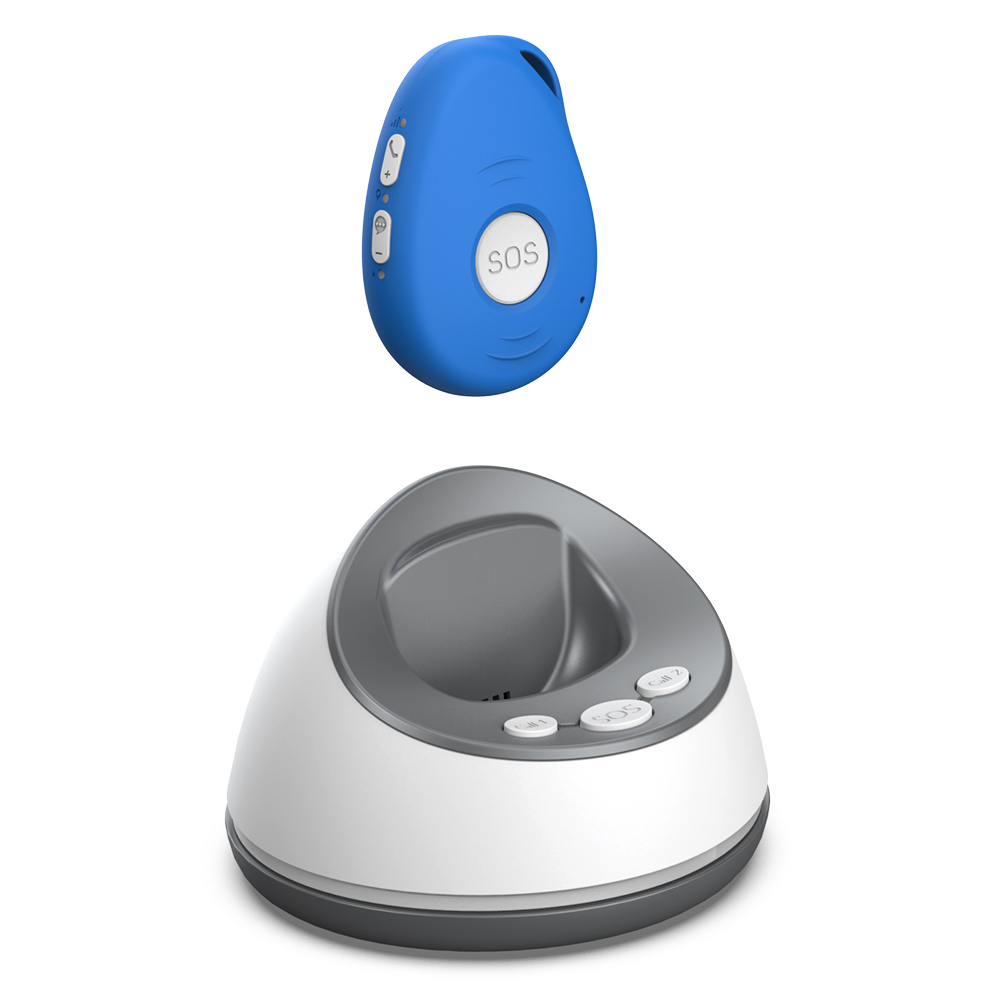
Finally, consider the monitoring centre. Is it staffed 24/7 by trained operators? Do they speak the user's language? How do they handle calls that are not emergencies? A good monitoring centre can triage situations, reducing unnecessary stress on the user and the family. Ask about their response protocols before you sign up.
Familyr, based at 14 Grand View Road, Remuera, Auckland 1050, provides personal medical alarms for seniors in New Zealand with SOS, GPS, fall detection, and family-monitored two-way calling, and can be reached at +64 9 872 0345 for those looking for a local option that includes these features.